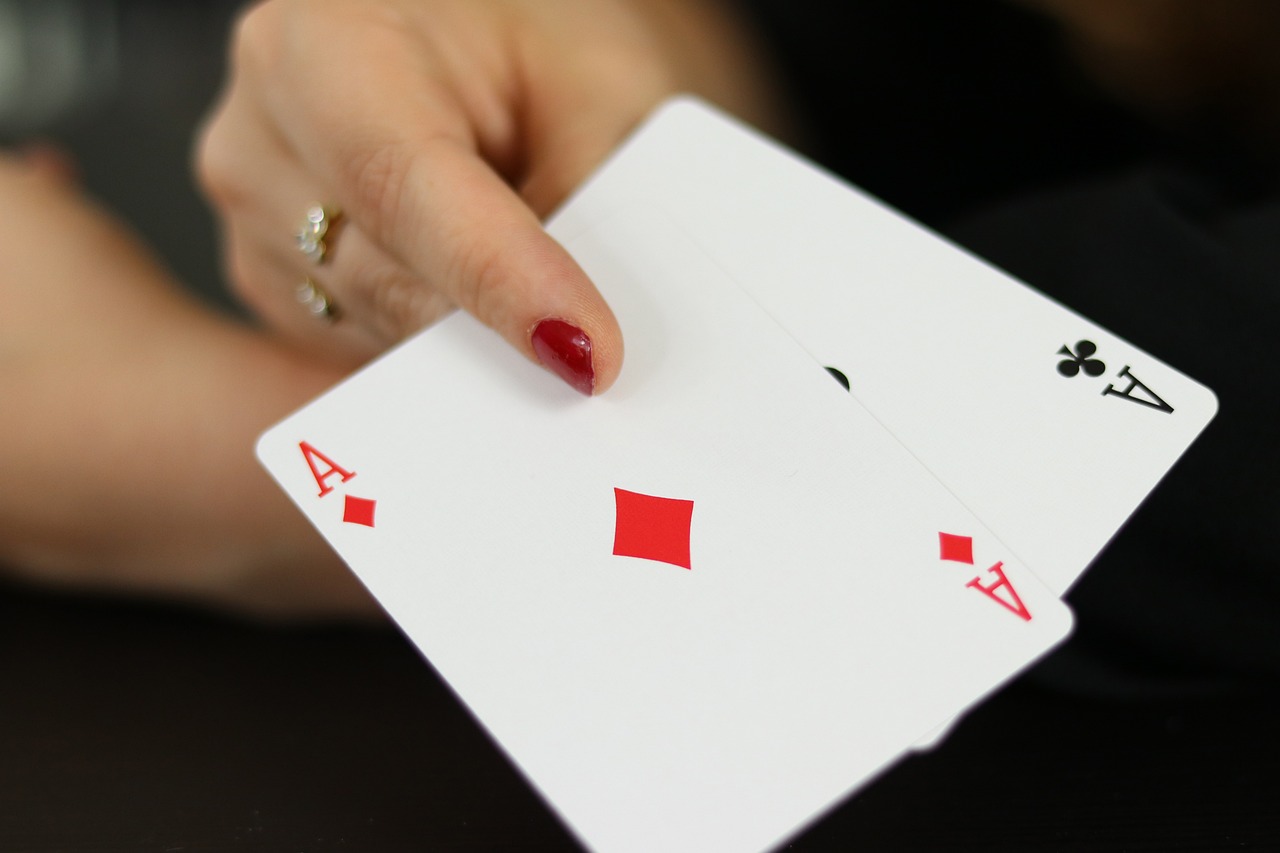
There's a moment every gambler knows — the one where the logic brain goes quiet and the lizard brain takes the wheel. Maybe it's chasing a slot bonus that hasn't hit in 400 spins. Maybe it's calling a river bet in poker with third pair because you "have a read." The line between a sharp operator and an out-of-control punter isn't luck, bankroll, or even intelligence. It's a handful of habits that most people never bother to develop.
After years of watching both sides of this coin — the folks who treat iGaming like a craft and the ones who treat it like a slot machine attached to their rent money — a few patterns show up again and again. Here's what actually matters.
1. Variance Is Not Your Enemy — Ignoring It Is
New players almost universally misinterpret variance. They think a losing streak means the game is "due" or that a hot table means they should triple their bet. Both are wrong, and both are expensive. Variance is simply the mathematical spread of outcomes around an expected value. A 96% RTP slot doesn't pay you 96 cents every dollar — it pays out a curve, and over 10,000 spins you might be up 40% or down 60% and neither result says anything about your skill. You will find a helpful summary at สล็อต.
What separates experienced players is that they budget in units, not dollars. If you sit down at a $1/$2 no-limit hold'em table with $200, you have 100 big blinds. That's the number that matters — not the fact that it's "only two hundred bucks." At a blackjack table with a $10 minimum, a $200 session is 20 units, which variance can wipe out in ten minutes of bad cards. Sharps think in units because units scale. Dollars lie to you.
- Slots: expect 100–300 spins of dead time as normal, not broken
- Blackjack: a 20-unit swing in either direction is routine
- Poker cash games: 5 buy-ins down is a standard downswing, not a reason to move up
- Sports betting: a 55% win rate on -110 lines is genuinely strong and still loses 4 out of 9 weeks
2. Slot Selection Is a Skill (Whether the Industry Admits It or Not)
Here's an uncomfortable truth: not all slots are built the same, and the difference isn't just theme and graphics. Volatility matters more than RTP for most players, and almost nobody talks about it at the casino bar.
High-volatility slots like Money Train or San Quentin can sit dormant for hundreds of spins, then dump a 5,000x hit. That's thrilling if you have 500+ spins of bankroll. It's financial suicide if you have 50. Low-volatility games like Starburst or most classic 3-reel machines pay small, steady amounts — perfect for grinding out a bonus requirement, terrible if you're chasing a jackpot.
The practical move: match volatility to your session length and bankroll, not the thumbnail art. If you have $50 and two hours, you want a 96%+ RTP low-volatility slot. If you have $500 and want a shot at a screenshot-worthy win, medium-high volatility is fine — just understand you may lose all of it in twenty minutes and that is mathematically expected, not unfair.
3. Poker: The Only iGaming Vertical Where You Can Actually Have an Edge
Slots, roulette, baccarat, crash games — the house has a structural advantage you cannot overcome through skill. Poker is different. In poker, you're not playing the house, you're playing other people, and the house just takes a rake. That means if you're better than the table, you profit — slowly, with brutal variance, but genuinely.
The single biggest edge in low-stakes poker isn't bluffing. It's folding. Specifically, folding more preflop than your ego wants to. Tight-aggressive (TAG) play — playing roughly 18–22% of starting hands from most positions — beats loose-passive play at $1/$2 and $2/$5 by an enormous margin. The players losing money at low stakes are almost always the ones who "want to see a flop" with J-7 offsuit.
Three habits that separate winning micro-stakes players from the rest:
- Position awareness. The button plays 40% of hands profitably. Under the gun plays 12%. Most losing players use the same range from every seat.
- Bet sizing discipline. C-betting 33% pot on dry boards and 75% on wet boards is a baseline, not a trick. Most amateurs bet the same size every flop and wonder why they get called by everything.
- Session stops. Walk away after losing two buy-ins or winning three. Tilt costs more money than bad luck ever has.
4. Bonuses, Rakeback, and the Real Cost of "Free Money"
The iGaming industry's most oversold product is the welcome bonus. A "100% up to $500" offer sounds like a gift until you read the terms: 40x wagering on the bonus plus deposit, game weighting that excludes the slots you actually want to play, a 30-day clock, and a max cashout cap.
Run the math on a typical $100 bonus with 40x wagering and 96% RTP slots. You need to wager $4,000 (if bonus-only) or $8,000 (bonus + deposit), which means expected losses of $160–$320 before you cash out a cent. The bonus is worth roughly negative value for the average player and positive value only for the patient grinder who plays low-variance slots and treats it like a chore.
Where real value hides:
- Rakeback programs — 20–40% weekly rakeback at poker rooms is a genuine edge for volume players
- Reload bonuses with 15x wagering — rare, but these flip positive if you play 97%+ RTP games
- Free spins attached to no-deposit offers — small but real expected value, and they cost you nothing but time
- VIP tiers — worth it if you're already a high-volume player; worthless if you're depositing $20/month
5. The Discipline Nobody Sells You
Every ad shows a grinning winner at a curved monitor. None show the guy who stopped at $200 down and went to bed. Yet that guy is the only one who survives in this hobby long-term.
The most useful tool a bettor can have isn't a tipster, a system, or a lucky number. It's a hard stop written down before the session begins. "I lose $100, I'm done. I win $300, I cash out $200 and keep playing with the rest." That's it. Players who follow a rule like this consistently outlast players who don't by years — not because they win more per session, but because they don't blow the whole bankroll in one emotional Tuesday night.
Bookmakers and casinos are not charities. They profit from volume, from players chasing losses, and from the belief that the next spin is the one. The punter who accepts this and adjusts their behavior accordingly is the one who's still here three years from now, playing with money they don't need.
The Bottom Line
iGaming isn't a get-rich scheme, and anyone telling you otherwise is selling something. It's a paid hobby with a variable bill. The difference between the sharp and the destroyed isn't a secret system — it's treating variance as a number, volatility as a tool, poker as a skill game, bonuses as fine print, and discipline as the only reliable edge you'll ever have. Master those five and you'll be the last one standing when the table empties out.


Félix Lengyel 01.01.2024 at 8:00
You guys have put so much work, effort, and time while designing this awesome theme I can see that passion when I incorporated it into my website.
ReplyJoseph Crawford 01.01.2024 at 8:00
The only thing I LOVE more than this theme and it’s incredible options is the support team! They are freaking amazable!
ReplyPatsy Hamlin 01.01.2024 at 8:00
Outstanding quality in this theme, brilliant Effects and perfect crafted Code. We absolutely love it and can highly recommend DynamicLayers!
Reply